
Preparing for a Loved One with a Disability
This kind of preparation has to hold up over decades. That means keeping benefits intact, making sure support continues, and knowing someone you trust is ready to step in when you can't. We'll start wherever you are with it.
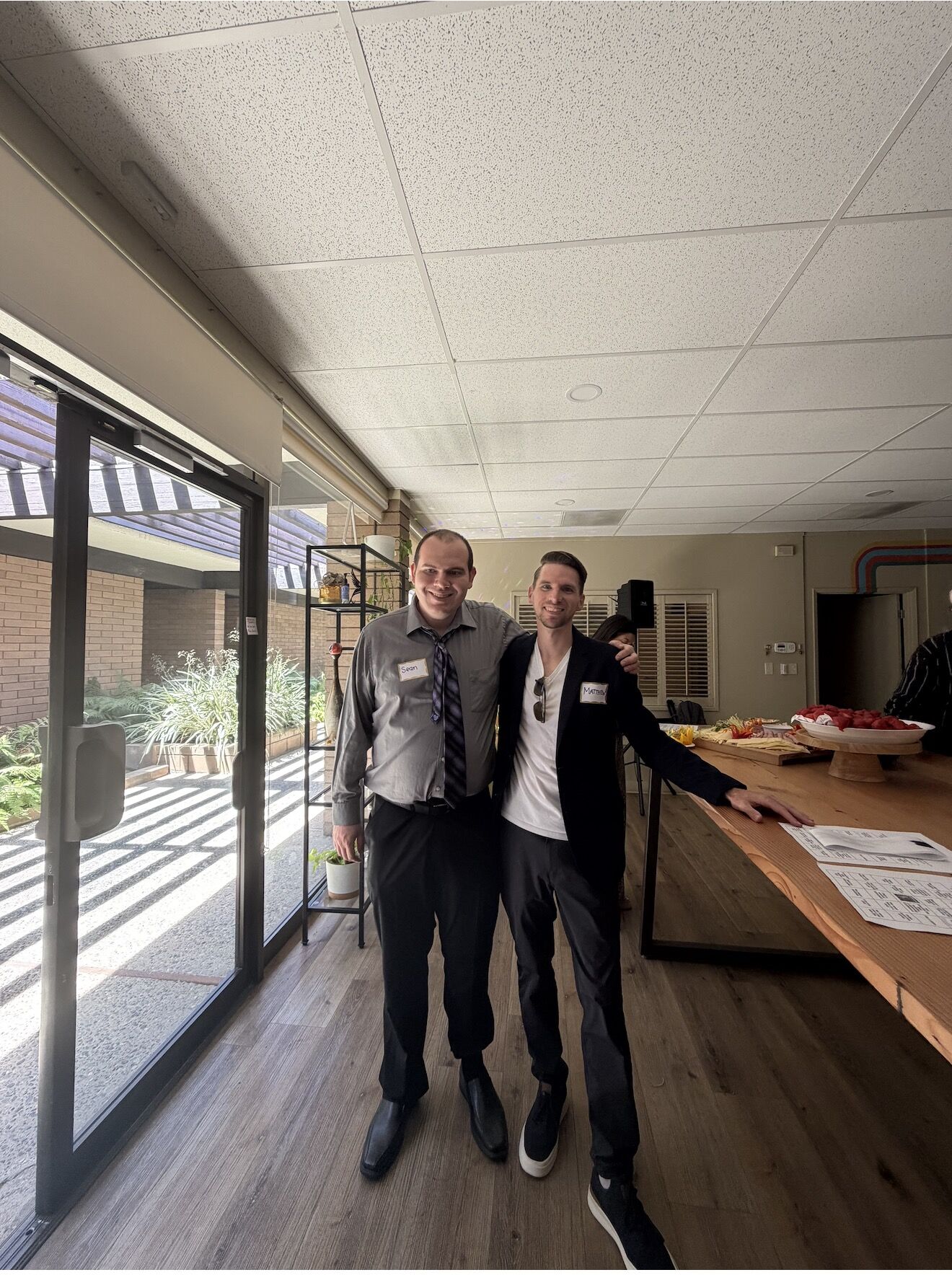
How I Came to This Work
I serve on the board of Best Buddies in Fresno, an organization that builds friendship, leadership, and employment opportunities for people with intellectual and developmental disabilities. It is some of the most meaningful work I get to be part of, and it has taught me a great deal about what these families carry.
Planning looks different when you are preparing for a lifetime rather than a retirement. The questions are harder and the timeline is longer. What happens to your son or daughter when you are no longer the one providing care? How do you leave something behind without putting the benefits they rely on at risk? These are not questions to work through alone, and they are not questions that fit neatly into a standard strategic conversation.
I am glad to sit down with any family thinking about this, and I work alongside the attorneys who handle the legal side. If you are just beginning to think about it, that is exactly the right time to start.