
This kind of preparation has to hold up over decades. That means keeping benefits intact, making sure support continues, and knowing someone you trust is ready to step in when you can't. We'll start wherever you are with it.
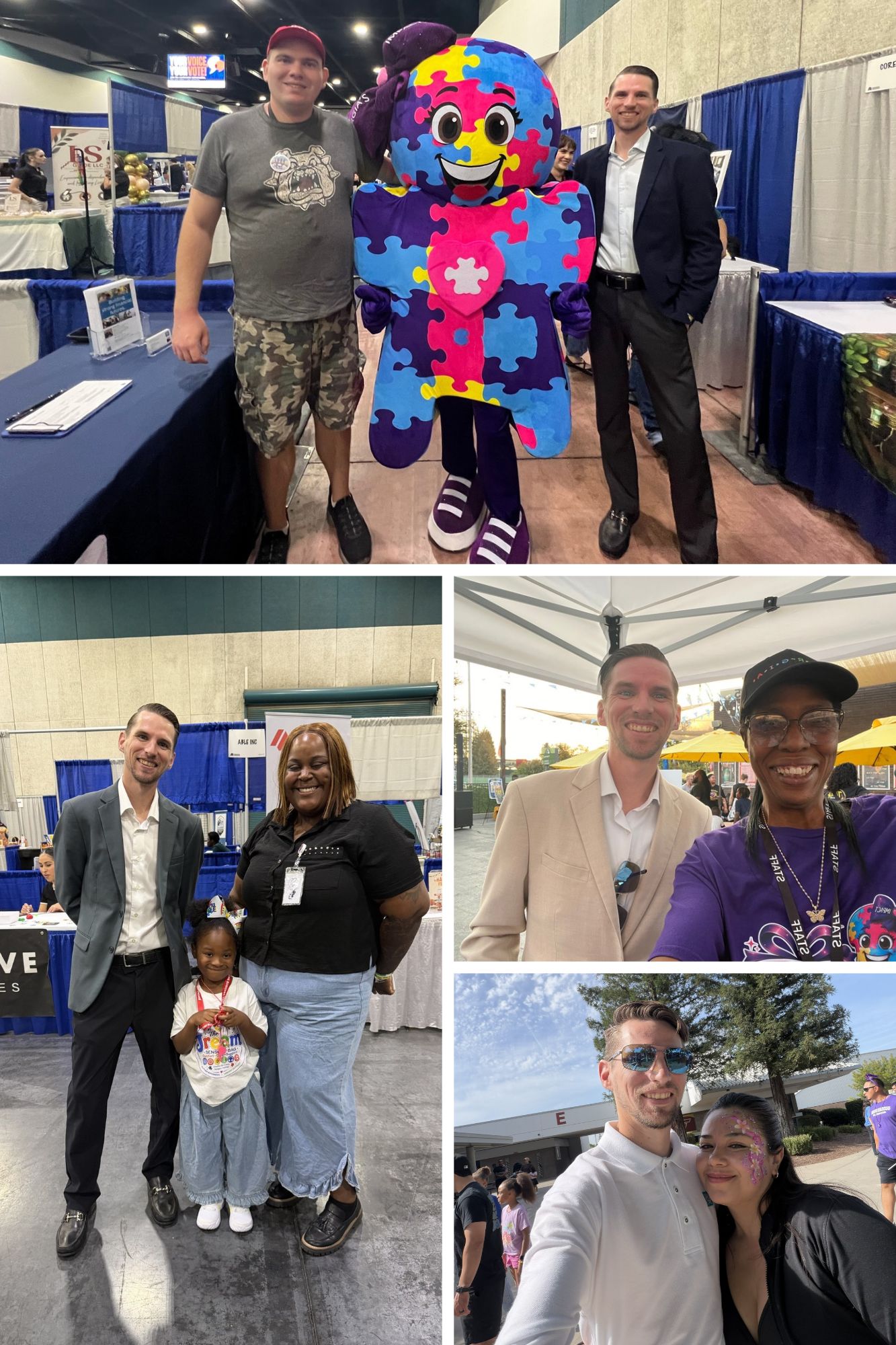
I serve on the board of Best Buddies in Fresno, and I volunteer with other nonprofits in the IDD community. This year I was at the Bridging Horizons conference here in town, where families, advocates, and organizations from across the Valley come together around inclusion.
I didn't come to this work through a textbook. I came to it through people. At fundraisers, at committee tables, and in a lot of ordinary conversations, the same thing keeps surfacing. Parents have thought hard about the next five years and have no real idea what happens after they're gone. Most have been told at some point to go see an attorney, and that's where it stopped, because the next step was never clear and nobody walked them through it.
That gap is the part I can help with. I'm not an attorney and I don't draft documents, but I understand how the pieces fit together, I know which questions matter, and I'm not going anywhere. The families I work with here are my neighbors.
An ABLE account lets a person with a disability save and invest their own money without putting needs-based benefits at risk. Ordinary savings above a fairly low limit can disqualify someone from SSI or Medi-Cal, which is why so many families are afraid to let anything accumulate in their loved one's name. An ABLE account is the exception to that. The funds can go toward housing, transportation, education, assistive technology, health costs, and the day-to-day expenses that make independence possible.
One thing changed recently that's worth knowing. As of 2026, eligibility expanded to include people whose disability began before age 46, up from 26. That opened the door for a large group of people who were shut out before, and a lot of families still don't know it happened.
An ABLE account also works alongside a special needs trust rather than in place of one. They do different jobs, and most families who need one eventually need both.
I can open an ABLE account for you, and help you work out whether it fits, how much belongs there versus in a trust, and how it sits with the rest of the plan.
A lot of families name their child directly in a will or on a beneficiary form. It's the natural thing to do, and it can cause real problems. Money left directly to someone receiving needs-based benefits like SSI or Medi-Cal can interrupt those benefits at exactly the moment the family is least able to deal with it.
This is why a standard will isn't enough on its own. A special needs trust is built to hold assets on your loved one's behalf without those assets counting as theirs, so an inheritance supports them instead of disqualifying them. It's a different document than the one most families already have, and the two have to be written to work together.
I'm not an attorney and I don't draft documents. I work alongside one who specializes in special needs wills and trusts, so you're not sent off to find someone on your own and explain your whole situation again from the beginning. My part is helping you work out what the plan needs to do, and making sure anything you hold through me points the right direction. If your estate documents are already done, the beneficiary designations are still worth a second look.
I added a middle paragraph so the heading pays off. Without it the section still read as "go update your will," which is the thing you're correcting.
You don't need paperwork, numbers, or a decision. Thirty minutes, whatever questions you have, and an honest answer about whether I'm the right person to help. If I'm not, I'll say so and try to point you somewhere better.